
On April 20, we and our two cats flew from Bellingham WA to Homer AK. Three flights + two cats = long day!

We had left the Buffalo “on the hard” (hauled out of the water on stands in the Northern Enterprises boat yard) for the winter season. It’s not feasible for various reasons to live aboard the boat when it’s hauled out there, so we took up residence for several weeks at the Best Western in Homer.
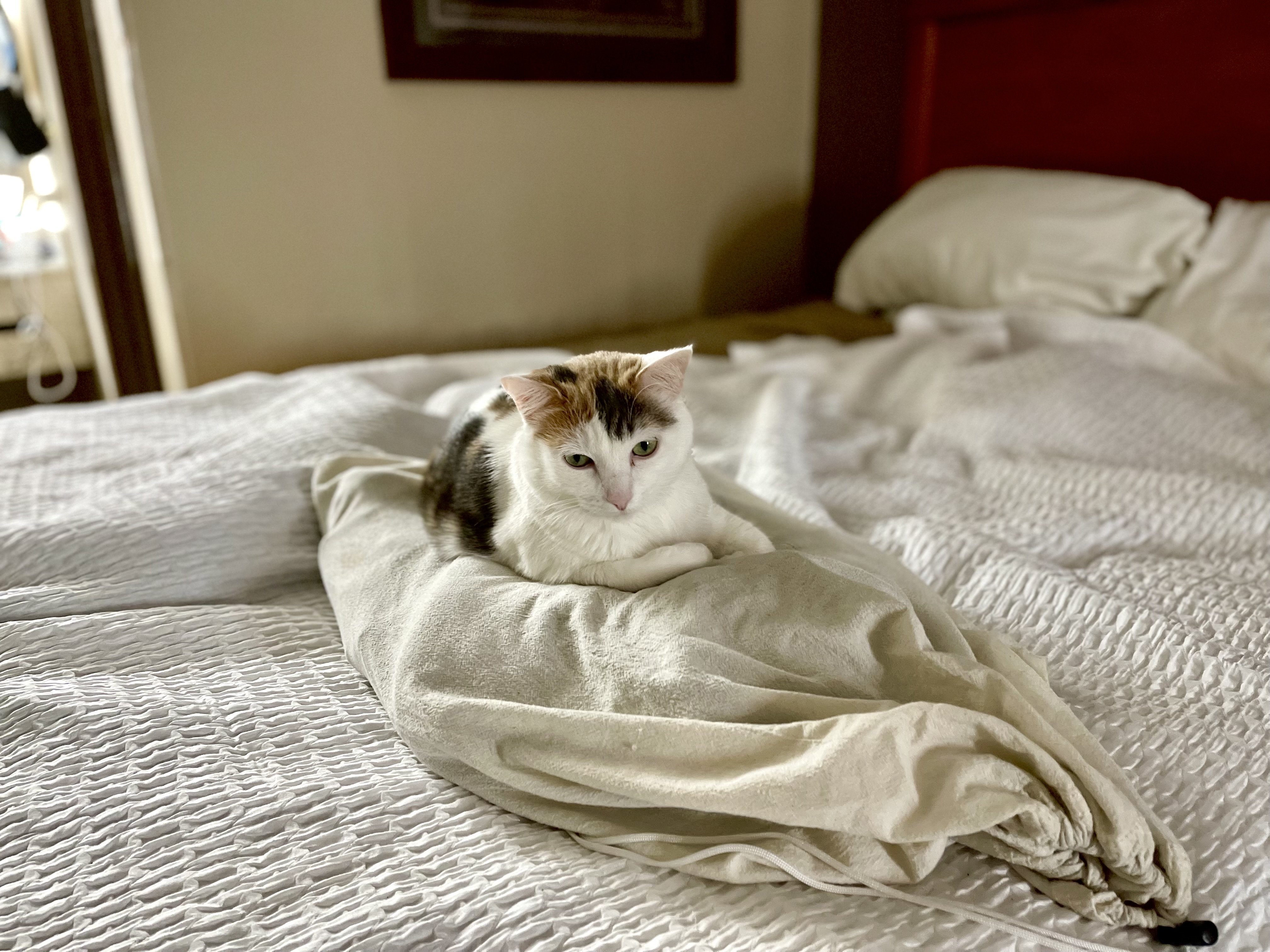
The Best Western was not up to our princess Crooked Hillary’s high standards, but she struggled through as best she could. We had numerous boat projects to complete: Buffalo Nickel is now 5 years old, so some important scheduled maintenance was due. Also, she sat for 2.5 years in Japan with us unable to attend to her; when Stan was able to finally slip into Japan, there was no time for anything but urgent repairs and maintenance before scrambling out of Japan to Alaska, so lots of stuff was overdue. But of most concern to us were the ruptures of several pipes, fittings, and our water heater (!) that had occurred over the frozen winter here despite our best efforts to winterize her.
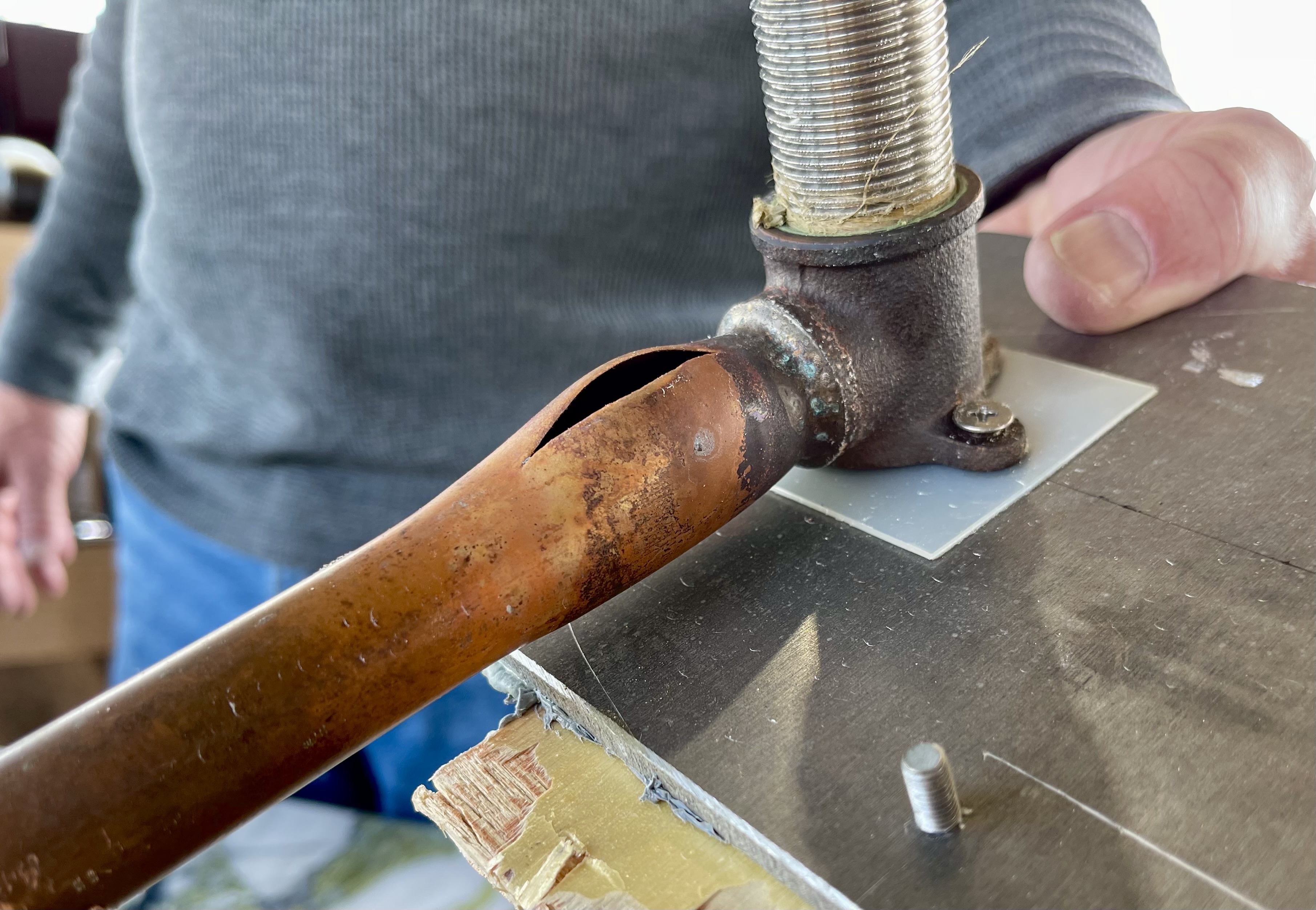
Stan had discovered the ruptured water heater on a visit he made in January, so he’d had plenty of time to source a replacement despite the original manufacturer being out of business. For quite some time we were unable to figure out why these ruptures occurred, and why others did not.
We have 4 aluminum water tanks on board, each about 400 gallons capacity. Typically we run one nearly dry, then draw from another one while making water into the empty one over time. In September when we hauled out, our strategy was to end up with 4 empty tanks, then put some antifreeze into one tank and run it through every fixture on the boat, including washer, dishwasher, toilets, etc., until we had red fluid flowing. Then we depressurized the system and left the water pumps off and the fixtures open.
We couldn’t come up with an explanation other than “bad antifreeze,” which never sat well with us: I mean, come on, this was newly purchased Prestone for crying out loud. And unless it’s years old, who ever heard of “bad” antifreeze??
Meanwhile, until the water heater could be installed (with much hassle and gnashing of teeth that I won’t bore you with) we didn’t have heat aboard the boat, since it depends on functioning water circulation.

Finally in mid-May it was time to splash. The situation is odd in Homer: the boat yard has over 400 boats, almost all of them commercial fishing boats, hauled out for the season. But there is virtually no water there except at very high tides. So hauling out or splashing can only be done for a couple of stretches of a week or so per month, and then only during the high tide hours. We were scheduled at 5 AM.

Above, Stan and Steve climb aboard and pull up the ladder. I drove our car over to the marina a couple of miles away and met them on the dock.

Weather was horrible, blowing up to 30 knots and freezing cold.
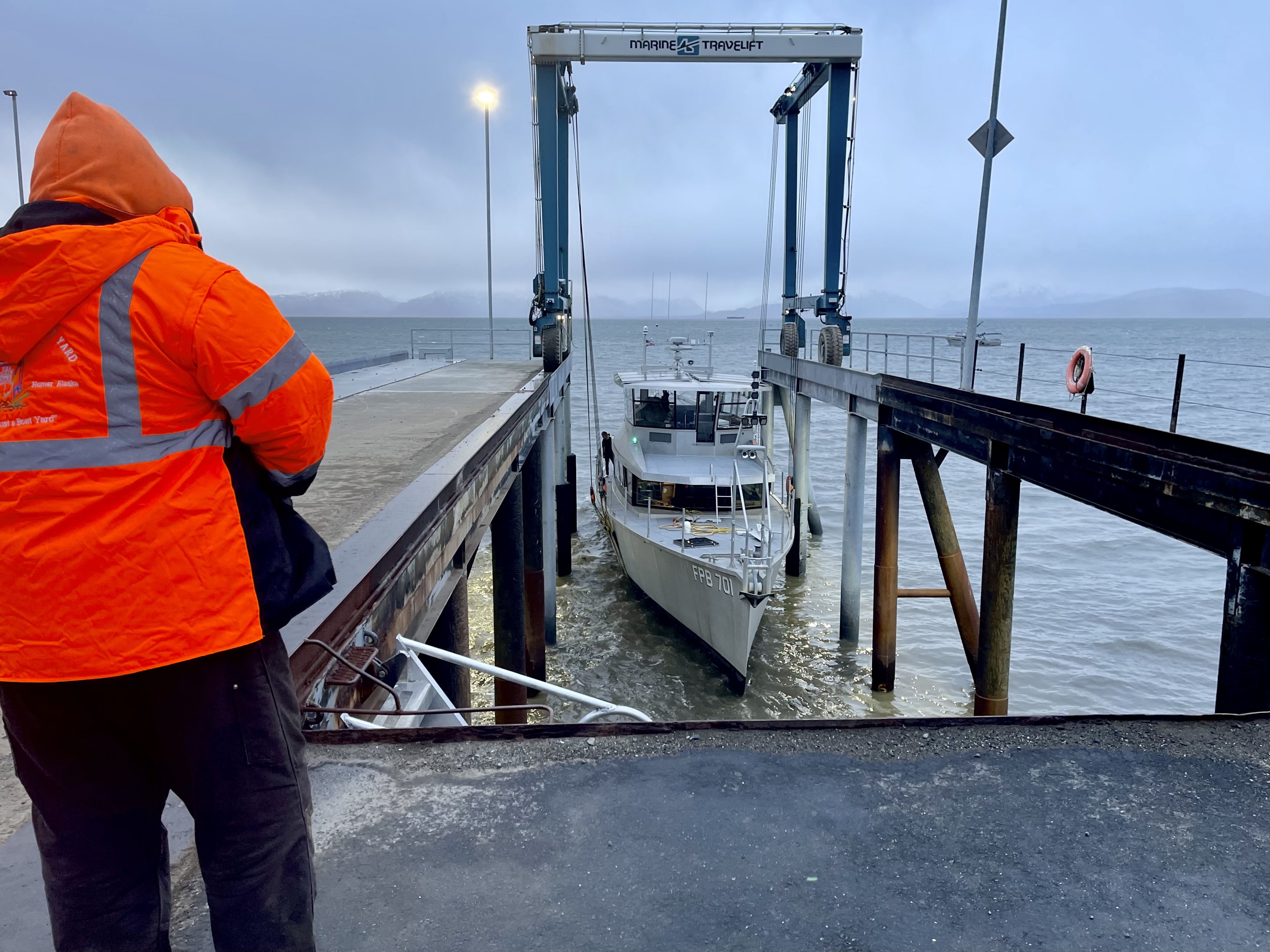
Above, the boat yard worker is operating remote controls which drive the TraveLift and raise and lower the slings.
One of the slings got hung up on our stabilizer fin, making for a gnarly 30 minutes of struggling and maneuvering in the freezing wind and rain. But finally we broke free.

Steve is known (by us anyway, and probably the world over) for his eschewing of closed footwear despite the climate. We were all happy and relieved to finally be in the water again, and eager to depart to dock.
But first, a quick walk up the ramp to the Salty Dawg saloon for some drinks and a lively chat with the local denizens.

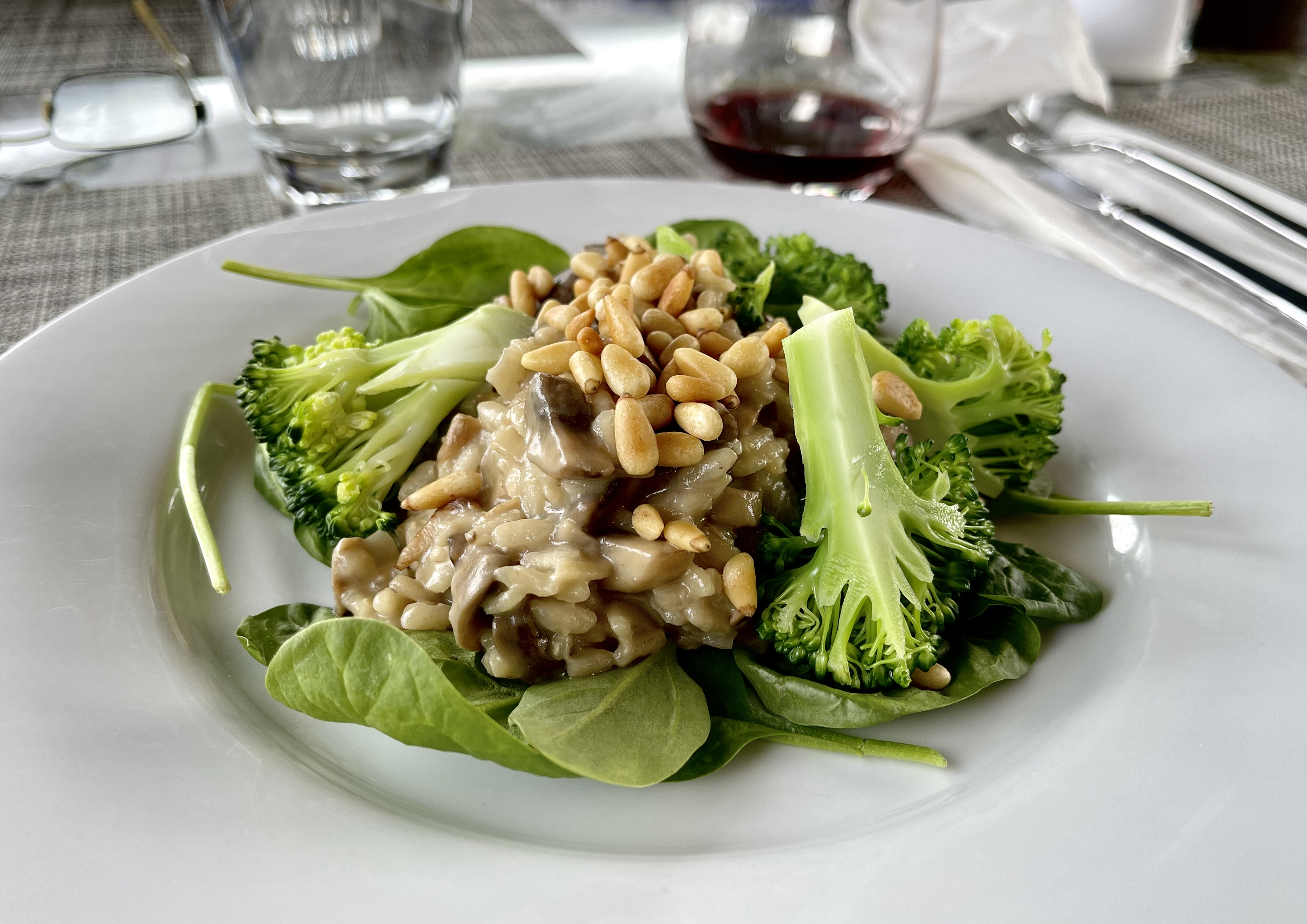
And then, for our first meal aboard Steve prepared a delicious dinner of mushroom risotto.
Next day, we left to make our way along the Kenai Peninsula toward Prince William Sound, stopping at several lovely anchorages in between.


Crooked was happy to see the last of the Best Western and enjoy some more picturesque environs.


Steve and Stan continued getting the Buffalo in order while we made our day hops to the Sound. (Note Steve’s choice of footwear for above 60° North latitudes!)
It was during this series of day hops that we began filling our empty aft water tank with the water maker, only to have it overflow into the bilge in short order. Lots of head scratching and trouble shooting to diagnose why this would happen. And then we hit on the answer: that tank’s sensor had failed, and told us the tank was empty when it was full. In fact, it had been full at the end of last season, when we winterized the boat, unknowingly leaving that aft tank full of water. That water froze, sending pressure downstream and causing ruptures in all the internal spots that were constrained. A unifying theory!! It explained all the spots that had succumbed to pressure, and all the ones that had not. And yes, we can open an access port and visibly check any water tank for fill status, but it never occurred to us, much to our misfortune, to verify the empty status of every tank before calling the boat winterized. Lesson painfully learned.
We finally headed to the northeast corner of Prince William Sound and tied up in Valdez Harbor, where the water is that special pale turquoise that happens with nearby glaciers.

Really? A 200 lb halibut?? 😳 We hoped not to catch a beast like that, but were excited at the prospect of fishing. (Or rather, I was excited at the prospect of STAN fishing, and then handing me the clean fillets.)

Below, Stan takes Ash for a walk on deck. (Yes, we are those people so just be quiet!)

Steve, after absolutely saving our asses and making himself nearly indispensable to us, left for New Zealand on June 2, leaving us with a few days of welcome sunshine before our first set of guests arrived.
Until next time…


 buffalonickelblog.com
May I commiserate? Granted, the Gun Club has been land based since she was brought over, chimney intact, from West Point on a barge in the early 1880s and hauled up on ways by oxen and pinned in place to serve as a clubhouse for the Boston Gunners…. Nevertheless, she has offered ever since what we call “Water Season”; the time when we “open” her after a long, deep Maine winter, fix the bleeder caps and inspect the ancient copper before throwing the valve 200 yards up the road and scrambling back to hurl ours4lves upon a very possible weak link in the antiquated system as the water rushes in…. Keeping the water in the pipes and the rain from coming through the roof is part of how I was raised, how I’ve raised my daughter and how she’ll raise her boys.
Commiseration accepted… and applauded!
Nice to hear that you are all back on board and enjoying Alaska!!!
Good to finally figure out the frozen pipes.
Super nice time with you guys in Homer.
Please let me know how the rudders turned out.
Hope to see you out there!
Debbie and Stephen
Deerfoot II
Our rudders and steering are great, and our repitched props have gained us 0.5 knots of speed we think!
Always something on these darn boats that we love! Beautiful pics.
Yes, a 200# halibut is not a particularly unusual thing – or wasn’t when I was growing up in Kodiak, where a lot of Canadian halibut boats came during the summer. Back then, anything under 100# was called a “chicken halibut”.